


Sarcopenia refers to gradual loss of muscle mass and strength that happens with aging. While this is a natural process, certain lifetyle and dietary factors- like eating more protein and resistance training can support muscle function over time.
What Causes Muscle Loss As You Age?
Muscle loss is caused by not eating enough protein, and in older adults, a reduced ability of the body to digest it along with a sedentary lifestyle. Other factors thought to be involved include changes in hormone levels, not consuming enough calories overall and inflammation.
Some studies estimate that 15-30% of adults over 65, living in the community, may experience muscle loss and this goes up to 50% for adults over 80 years.
What is Sarcopenia?
With ageing muscles atrophy or shrink (see image 1), they lose strength and that can increase your risk of falls and fractures, reduce your mobility and impact independence. Our muscle mass shrinks by 3-8% per decade after the age of 30 and even faster after the age of 60.
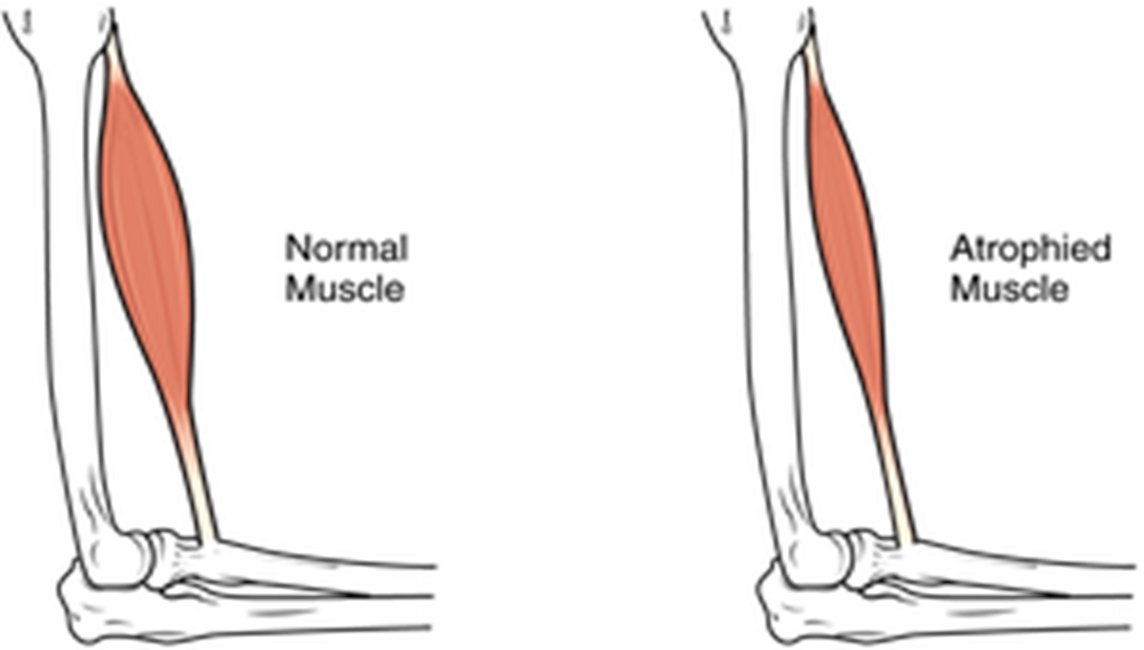
Image 1- Normal muscle versus wasting muscle
Source: https://www.bgs.org.uk/blog/bgs-raising-the-profile-of-sarcopenia-and-frailty
Why Maintaining Muscle Mass Matters
Maintaining muscle mass is important for:
- Strength and physical function
- Balance and coordination
- Healthy ageing and independence
Supporting muscle health involves a combination of nutrition, movement and overall lifestyle habits.
5 Ways to Support Muscle Mass as You Age:
1.Eat Enough Protein to Support Muscle Maintenance
One study, which looked at 2066 adults aged 74.5 years for 3 years, found that the group with the highest protein diet lost 40% less muscle than the group with lower protein in their diet. Research shows that increasing protein intake above the current recommended dietary intakes (RDIs) can improve muscle mass and reduce muscle loss, as the current recommendations may not take into account the extra protein needs of older people.
There are many healthy protein sources from foods such as lean meats, eggs, fish, poultry, nuts, seeds, and legumes. You can find the serving sizes here, too. The current recommendations are between 0.75-1.07g protein/per kg of body weight per day. However, it is recommended to get this protein intake up to 1-1.5g/kg/day to enhance muscle synthesis.
Good dietary sources include:
- Lean meats
- Eggs
- Fish
- Dairy
- Legumes
- Nuts and seeds
2. Distribute Protein Intake Over the Day
If possible, spreading your protein intake over your three meals of the day has been shown to improve muscle mass synthesis ( or growth) by 25%. For example, eating 30g of protein at breakfast, lunch and dinner rather than having 10g at breakfast, 10g at lunch and 70g at dinner is better for muscle production.
Examples of protein content in different foods:
- Raw chicken 150g - provides 33g protein
- Tuna can 95g - provides around 19g of protein
- Eggs x 2 50g each - provides around 12g protein
- Legumes ½ cup - provides 7g of protein
- Tofu 100g - provides 12g protein
- High protein yoghurt 170g tub - provides 15g protein
Breakfast is commonly the meal with the least protein for older people, so start with breakfast. Then, using healthy protein sources, try and add protein to each meal and snack.
3. Include Resistance Training Each Week
Lack of physical activity either through a sedentary lifestyle or because of another health condition can be a cause of muscle decline. Particularly if there is a period of bed rest then muscle levels can decline quickly. Strength activities or resistance exercise are recommended t least two-three times per week.
Some strength building activities include:
- Climbing stairs
- Lifting and carrying (children or groceries)
- Using weights, or resistance bands
- Garden work that includes digging or lifting
Another study, that included 100 women 60-90 years of age, found combining resistance exercise with a high protein diet for 4 months increased muscle mass and strength considerably in comparison to a group that did the exercise but had no added protein intake.
4. Maintain Healthy Vitamin D levels for Muscle Function
Deficiency of Vitamin D is common around the world and in Australia, with more than 1 in 3 Australian adults having mild, moderate or severe vitamin D deficiency. Vitamin D plays a role in maintaining muscle function. Low vitamin D levels are relatively common, particularly in older adults and those with limited sun exposure. Ensuring adequate vitamin D status, alongside resistance exercise and sufficient protein intake, is an important part of supporting healthy muscle function as we age.
Learn more about vitamin D support here.
5. Include Omega 3 Fatty Acids as Part of a Balanced Diet
Omega 3 fatty acids are important for general health and wellbeing and play a role in supporting healthy inflammatory balance in the body. Emerging research is exploring their potential role in healthy ageing, including how they may interact with diet and lifestyle factors.
Including omega 3 rich foods, such as oily fish, as part of a balanced diet can support overall health alongside regular exercise and adequate nutrition.
Key Takeaways for Maintaining Muscle Mass
- Muscle mass starts declining naturally with age
- Adequate protien intake is essential
- Distributing protein across meals may be beneficial
- Resistance training supports muscle function
- Maintaining vitamin D lebels supports muscle function
- Omega 3 fatty acids support general health and wellbeing
This information is general in nature and is not intended to replace professional medical advice. Always consult your healthcare practitioner if you have any questions about your health or before starting any new supplement. Individual needs may vary.
Always read the label and follow the directions for use.


